
Automotive Services
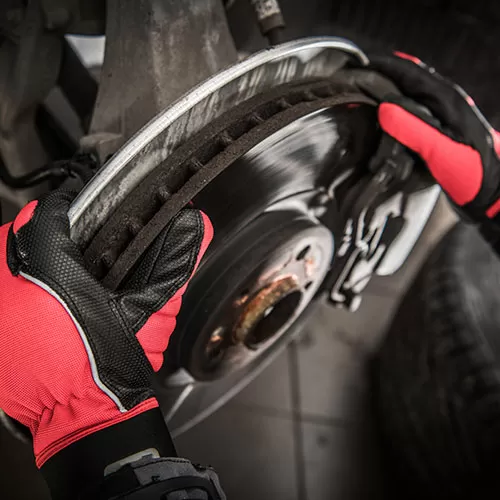
Full Brake System Repair and Maintenance
At Quality Brakes and Alignment, we run a full diagnostics on your brake system to identify any possible problems. A methodical diagnostic routine will save time, parts, and money, to catch problems accurately the first time. A routine diagnostics check can even identify problems before the arise, so if you notice any change in your braking system, bring your vehicle by Quality Brakes and Alignment today!
Brake PadsMaintaining optimum friction pad depth is necessary to your braking system. Replacing your brake pads periodically prevent damage to your rotors, and causing further damage to your system. If you begin to notice a...
Read The Rest
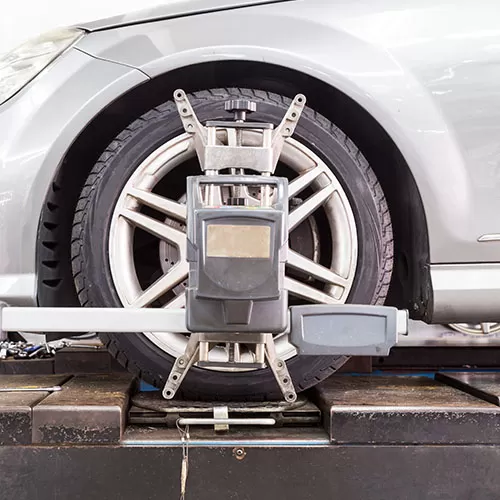
Extend the Life of Your Tires
Make sure your car, truck or SUV drives straight and true with a front-end alignment from Quality Brakes and Alignment. Not only will you enjoy a smoother ride, but you'll prevent a bad alignment from producing issues with your brakes, suspension, steering, tires and more.
Wheel Alignment is one of the key maintenance factors in getting the most wear and performance from your tires. In addition, wheel alignment provides safe, predictable vehicle control as well as a smooth and comfortable ride that's free of pulling or vibration. Today's modern suspensions require a precise four-wheel alignment that can only be achieved through...
Read The Rest

Keep Your Vehicle Cool and Comfortable
Here in North Texas, summer sneaks up on us and it stays hot for months with sometimes scorching temperatures. Having your vehicle's air conditioning system in tip-top shape is a requirement to stay comfortable during your commute. Whether your car air conditioner is blowing hot air, doesn't blow any air at all, blows cold air sometimes, or your dual zone car air conditioner is only half working, or just making weird noises, our air conditioning technicians can find the problem and get it solved.
Without regular maintenance, the average air conditioner loses about 5 percent of its efficiency every single year....
Read The Rest
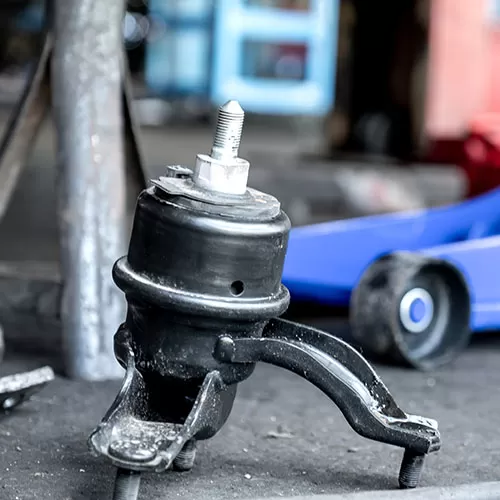
Rubber Mounts and Liquid Filled Mounts
Quality Brakes and Alignment can inspect and repair automotive engine and transmission mounts. Engine and Transmission Mounts may have as many as three functions. First, it is an attachment point for a part or system to the chassis. Secondly, it often acts as an isolator – keeping noise and/or vibration from being transferred to the driver and passengers. In some cases, it may also be an adjustment point to keep a component in proper alignment.
Most mounts are made of steel and rubber. Time, heat, automotive chemicals and vapors will deteriorate the rubber. Because mounts are often out of sight, they...
Read The Rest

Keep Your Vehicle Reliable & Avoid Costly Repairs
To avoid costly repairs and replacements, Quality Brakes and Alignment recommends having your steering and suspension inspected and your alignment checked annually. Normally, the steering wheel should have no greater than a quarter inch of "give". More than that would mean something is worn or loose and it needs fixing. If you notice a 'looseness' in your steering column, do not ignore it! You could lose control of your steering after a period of time.
Bring your car or truck by Quality Brakes and Alignment for a full diagnostics run of your steering column if you notice any difference in your...
Read The Rest
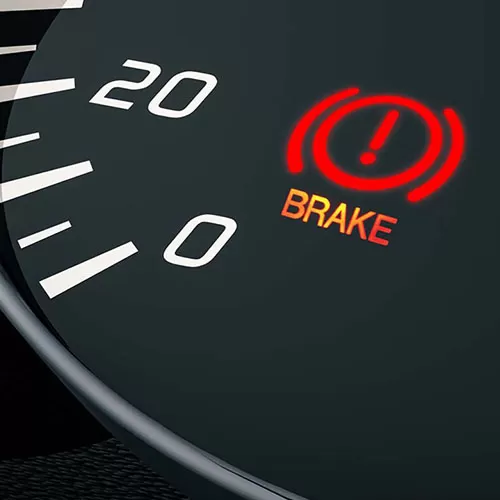
Should You Bring Your Vehicle In?
'CHECK BRAKE' LIGHTSEmergency brake is on or you have a serious drop in hydraulic pressure. Your brakes may be near total failure. Come in immediately for an examination.
DRAGSticking brakes, hot wheels or engine that seems to have lost power. Brakes may be failing to release; the condition can reverse itself, leaving you with no brakes at all.
GRABS"Touchy" brakes that grab with the least pressure. May indicate a problem as simple as grease or oil contaminated lining - or as serious as a loose or broken components ready to fail in an emergency.
HARD PEDALRequires extreme pressure to make brake function. Can...
Read The Rest